

Mainstream Media Discovers What Hunters Already Knew
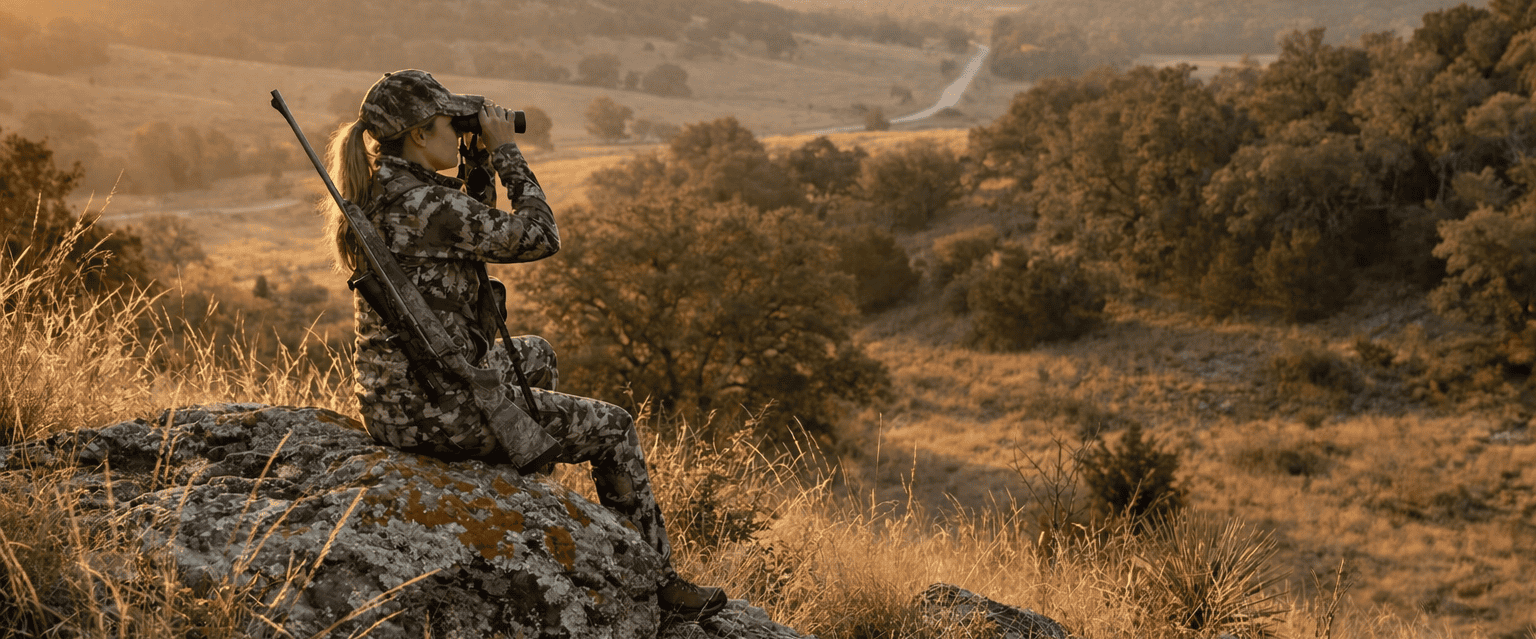
For years, national coverage often treated hunting as a shrinking relic—something destined to fade as America urbanized and food drifted further from land and season. That framing is changing. Major outlets are increasingly covering hunting as a practical response to modern pressures: securing quality protein, managing wildlife responsibly, and sustaining the conservation systems that keep habitats healthy.
One recent national feature in Bloomberg used a Texas nilgai hunt to tell that broader story: harvesting an invasive species can put meat in the freezer while addressing ecological damage. The Wall Street Journal also reported pandemic-era license jumps and an influx of newcomers after years of decline. The larger signal isn’t that any single story “proves” the trend—it’s that hunting is increasingly being treated as relevant to mainstream conversations about food, stewardship, and resilience.
The resurgence is measurable, not just a vibe
It’s easy to dismiss “hunting is back” as social-media chatter. But participation proxies show something more durable than a one-season spike.
Multi-state tracking from the Council to Advance Hunting and the Shooting Sports (with Southwick Associates) indicates that after the COVID-era bump, hunting license sales largely stabilized. In the 2022–2023 license year, the overall change across reporting states was close to flat, and most states were within a narrow year-over-year range. That matters because when participation holds steady, conservation funding and wildlife agency planning become more predictable.
Federal survey work from the U.S. Fish & Wildlife Service also provides a national baseline on hunting participation and spending. The survey’s methodology and timing require careful interpretation, but it reinforces a core reality: hunting remains a meaningful part of the outdoor economy, with substantial spending tied to equipment, travel, access, and other costs that support wildlife-related systems.
This is not only a media narrative shift. There is enough measurable stability—and enough visible change in who participates—that mainstream outlets are following the story.
Why mainstream outlets are paying attention now
Today’s coverage tends to converge around three themes: food quality, wildlife management, and conservation funding.
1) Food quality and food transparency
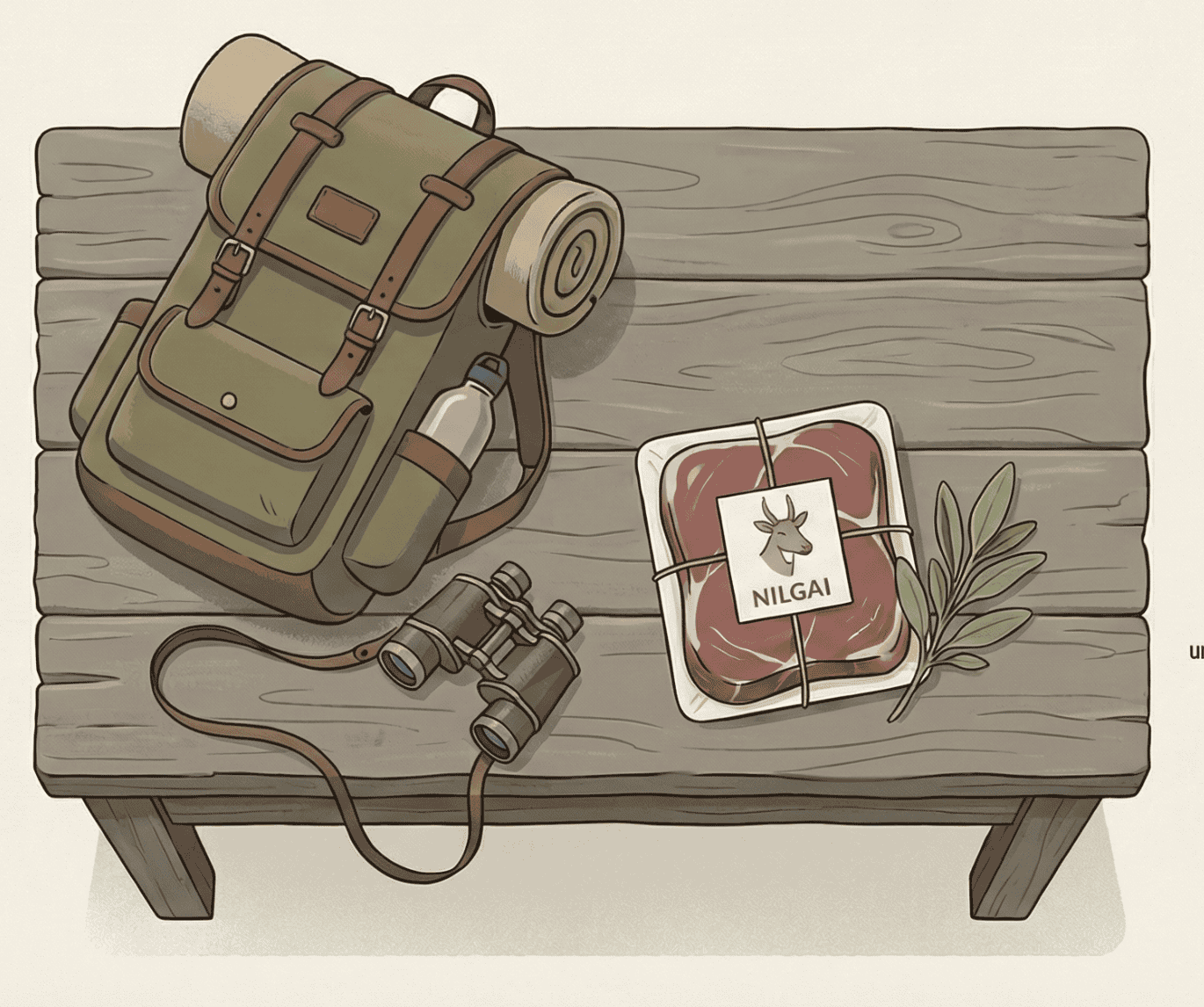
The modern hunting story increasingly centers on protein: where it came from, how the animal lived, and what’s in the meat. For many new and returning hunters, the driver is less “heritage” and more confidence—confidence in the source, handling, and chain of custody. State wildlife agencies reinforce this with practical guidance and simple nutrition comparisons, describing venison and other game as lean, nutrient-dense options when processed and stored safely. That’s why hunting now shows up in broader debates about diet and food trust.
2) Wildlife management is not optional
In many places, the real question isn’t whether wildlife should be managed, but how. Hunting is one tool—alongside habitat work and professional management—that helps keep populations within ecological and social limits.
The invasive-species angle makes this easier for mainstream audiences to understand. When an animal damages habitat, competes with native wildlife, or harms agricultural systems, “do nothing” doesn’t solve the problem—it simply transfers the cost to land, wildlife, and communities. Regulated harvest can be a direct management method that also produces food.
This is one reason hunting is being covered differently: it’s not presented only as recreation. It is presented as a form of stewardship and, in some contexts, as an active solution to a management problem.
3) Conservation funding is part of the story
Hunting participation has downstream effects on conservation capacity. America’s conservation model includes mechanisms that link hunters and related purchases to wildlife restoration funding and agency budgets.
These funding channels support habitat improvement, access initiatives, research, and the infrastructure wildlife agencies need to monitor and manage wildlife. When participation stabilizes, the financial base becomes steadier; when participation expands, those systems often gain additional capacity. That’s a major reason hunting is increasingly discussed in mainstream coverage as more than “a pastime.”
Where MAHA connects
The Make America Healthy Again (MAHA) commission is a 2025 federal initiative focused on chronic disease drivers, emphasizing food quality and broader environmental and chemical exposures. Whatever people think of the politics around it, MAHA has helped push “what are we eating?” closer to the center of public debate.
That matters for hunting because the same concerns MAHA elevates—food confidence, ingredient scrutiny, and long-term health outcomes—are also among the reasons more Americans are taking a second look at wild protein. This connection works at the level of incentives:
-
Food-system skepticism is rising. When people lose confidence in industrial supply chains, they look for alternatives that feel more transparent.
-
Protein and health messaging has momentum. Wild game is increasingly discussed as a lean protein option, which fits broader interest in nutrition quality and preventative habits.
-
Self-reliance is being redefined as a health behavior. Learning to harvest, process, and store food is increasingly viewed as household resilience—physical, financial, and practical.
The point is not that MAHA “created” hunting participation. It’s that the national conversation MAHA amplifies makes it easier for mainstream media to explain why hunting is getting renewed attention.
Why “wild protein” doesn’t scale like grocery meat
As public interest grows, a natural question follows: why can’t consumers simply buy more wild meat?
The answer sits at the core of American conservation history. In most states, the sale of legally harvested wild game meat is prohibited, largely because commercialization once created incentives that devastated wildlife populations. Modern safeguards were designed to remove the profit motive that turns wildlife into a commodity and encourages overharvest and poaching.
That legal framework creates two realities at once: (1) wild game is primarily a personal harvest food source, shared with family and friends and, in some cases, donated through regulated programs; and (2) broad commercialization risks recreating incentives wildlife management was designed to prevent. So when mainstream outlets highlight rising “wild protein” demand, they’re also touching an important boundary: America built its modern wildlife recovery around rules that prioritize sustainability over markets.
Community impact: feeding more than the hunter
Hunting’s value isn’t limited to individual households. Donation programs convert surplus harvest into legal, structured community benefit.
Programs such as “Hunters Helping the Hungry” show a workable model: hunters donate eligible game, processors handle it safely, and the resulting meat supports food pantries and community organizations. This is a tangible bridge between personal harvest and public good—especially in communities where food insecurity and access challenges can be acute.
Wrap up
Mainstream media is catching up to what hunters and wildlife managers have long known: hunting isn’t only recreation. It provides food, supports responsible wildlife management, and helps sustain conservation funding. As Americans ask tougher questions about health, food quality, and resilience—issues MAHA has pushed into the spotlight—wild protein is being discussed in a more mainstream, practical way. This resurgence is bigger than any one story or hunt; it reflects growing demand for transparency, stewardship, and a real connection to land and resources.