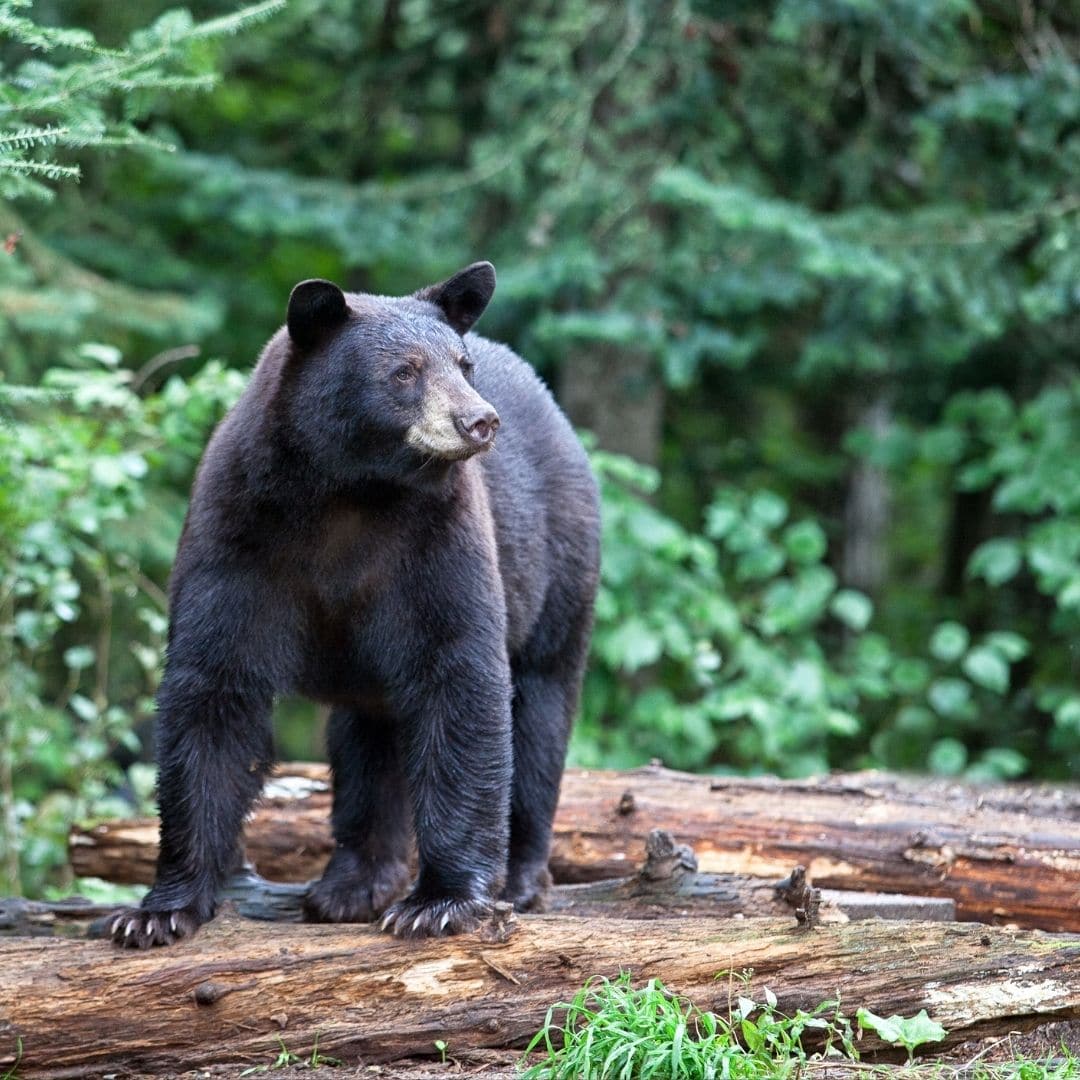

Florida’s Black Bear Hunt: A Conservation Success Worth Defending
For the first time in a decade, Florida hunters were once again entrusted with a role they have long fulfilled: active participation in wildlife conservation. The reopening of Florida’s black bear hunt for the 2025 season marks a major milestone in one of the state’s most successful conservation stories; and a powerful reminder of why science-based wildlife management works.
The 2025 Florida Black Bear Hunt runs from December 6 through December 28, the first regulated season since 2015. Far from being a reckless decision, the hunt followed decades of recovery, research, and responsible management by the Florida Fish and Wildlife Conservation Commission (FWC).
From Near Extinction to Conservation Success
In the 1970s, Florida’s black bear population had been reduced to just a few hundred animals statewide. Habitat loss, unregulated killing, and lack of coordinated management pushed the species toward collapse. The recovery of the black bear did not happen by accident, it happened because of conservation funding, habitat protection, enforcement, and science-driven management, much of it supported by hunters.
Today, Florida’s black bear population exceeds 4,000 animals and continues to grow in several regions. This remarkable rebound is one of the clearest examples of how the North American Model of Wildlife Conservation works when allowed to function as intended.
As bear populations expand, so do human–wildlife conflicts. Increased vehicle collisions, property damage, and dangerous encounters are now common in parts of Florida. A carefully regulated hunt is a proven management tool to stabilize populations, reduce conflicts, and maintain healthy ecosystems.
Strong Demand, Strict Limits
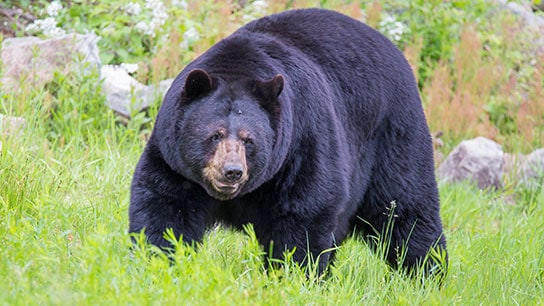
Despite activist claims that hunters lack interest or responsibility, the numbers tell a different story. During the 2025 permit lottery, 163,459 people applied for just 172 available permits. This overwhelming demand underscores both the respect hunters have for the opportunity and the limited, conservative nature of the season.
FWC designed the hunt with strict quotas, regional limits, and biological data guiding every decision. This was not a return to unregulated harvest; it was a cautious, tightly controlled management season rooted in science.
Activist Opposition and Manufactured Outrage
Unfortunately, the hunt faced intense opposition from anti-hunting and anti-conservation groups who sought to halt the season through lawsuits, public pressure campaigns, and even attempts to manipulate the permit lottery by encouraging non-hunters to “flood” the system.
Some groups went so far as to offer hunters money not to participate; an unprecedented tactic that undermines lawful wildlife management and disrespects the role hunters play as conservationists. These efforts were not about science or sustainability; they were about ideology.
Despite the noise, FWC stood firm, defending its authority and responsibility to manage wildlife for the benefit of all Floridians, not just the loudest activists.
Why This Hunt Matters
The reopening of Florida’s black bear hunt is about more than one season. It represents trust in conservation professionals, respect for science, and recognition of hunters as essential partners in wildlife management.
When hunting is removed from the toolbox, wildlife and people both suffer. When it is applied responsibly, as it was in Florida, it ensures healthy animal populations, safer communities, and continued conservation success.
As Florida moves forward, this hunt should be seen not as a controversy, but as a model; proof that conservation works best when it is guided by data, managed by professionals, and supported by hunters who care deeply about the future of wildlife.