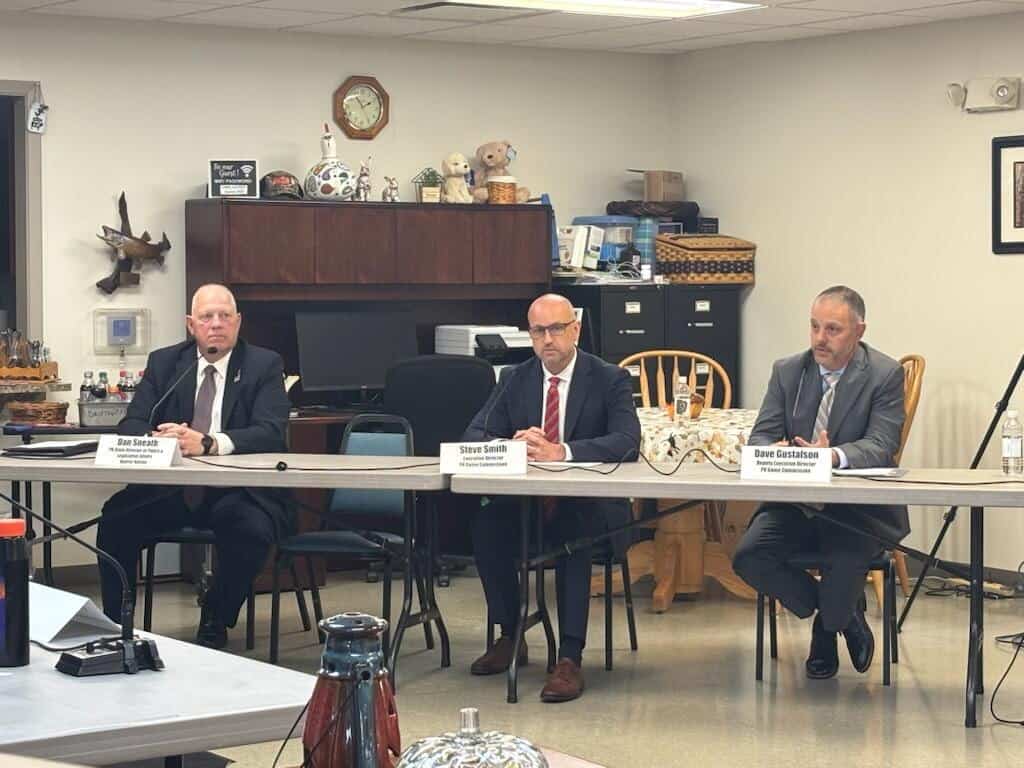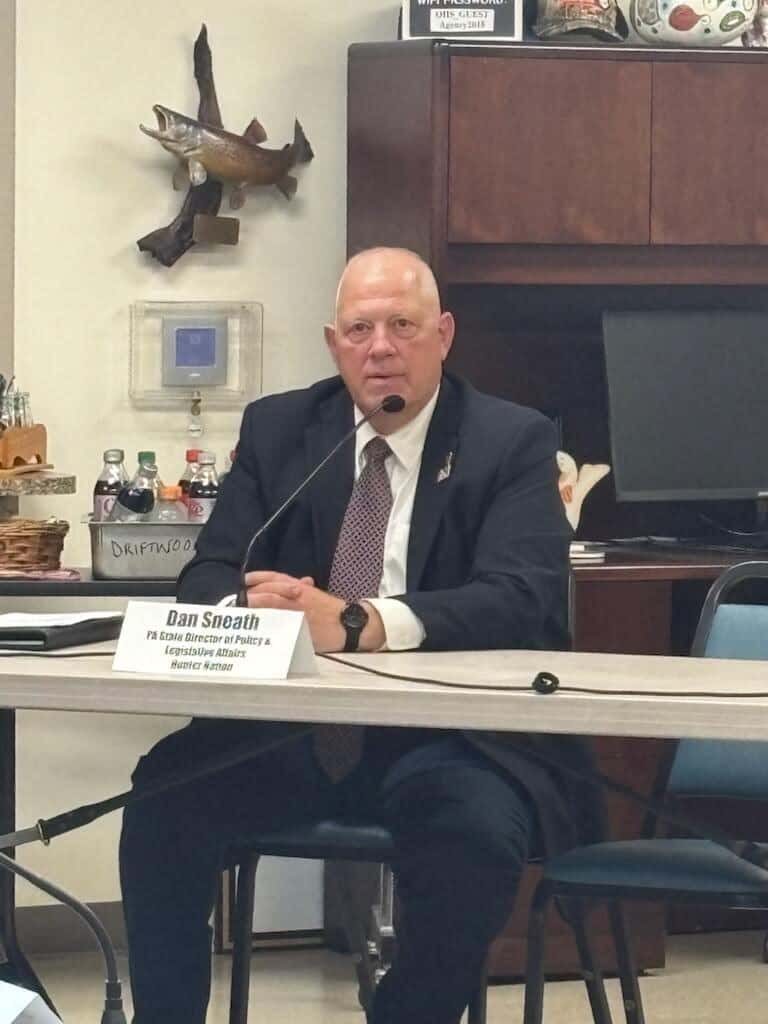

Daniel Sneath Pennsylvania Game Commission Statement on Public Land Purchases
Hunter Nation is proud to report a major victory for Pennsylvania hunters!
Hunter Nation has been asked to provide information about the advantages and disadvantages to hunters when the government, specifically the Pennsylvania Game Commission (PGC), purchases land for public use. We are hoping to present an unbiased perspective about this issue for your thoughtful consumption as you consider this subject.
First, please allow me to introduce myself. My name is Daniel Sneath. I am the Pennsylvania State Director of Policy and Legislative Affairs for Hunter Nation. I am a retired Pennsylvania State Police Sergeant. I enlisted in the State Police in 1993 and retired in 2020. I truly enjoyed my service to the Commonwealth. I would like to thank each of you and your staffs for your dedicated service to our Commonwealth.
When land is purchased for public use, hunters gain advantages, such as cost-effective access, and opportunities to hunt diverse game species in varied habitats. They also face disadvantages, such as more intense hunting pressure from possible overcrowding in areas, the inability to manage the land’s habitat or herd size. This could lead to a less predictable hunting experience compared to private land.
ADVANTAGES FOR HUNTERS:
- Cost-Effective Access:
Public land provides opportunities for hunting without the high cost of individuals purchasing or leasing private land. Unlike private lands, Pennsylvania's State Game Lands, State Parks, and State Forests are open for hunting without a fee, providing a vital opportunity for all hunters. As access to private lands declines, public lands become increasingly more important for maintaining hunter participation, which adds additional funds to conservation efforts.
- Habitat and Species Variety:
Public lands offer a wide range of habitats and a diverse variety of game animals. This leads to varied hunting opportunities and experiences. These lands feature a diverse range of ecosystems, from forested areas to wetlands, providing excellent habitat for a variety of game, including big game (deer, bear), small game (rabbit, grouse), and waterfowl.
- Challenging and Rewarding Hunting:
Remote areas on public land can have less hunting pressure, offering a greater challenge and a more significant accomplishment when a successful hunt occurs. Public lands provide opportunities for hunters to learn about and appreciate the natural environment, fostering a connection to and advocacy for conservation.
- Conservation and Management:
Public lands are often managed with conservation efforts, promoting healthy game populations and suitable habitats for wildlife. Public lands are managed to support wildlife and provide hunting opportunities, with hunters playing a key role through their participation and license fees. The PGC actively manages State Game Lands to improve habitats, creating conditions like early successional forests and herbaceous openings that support wildlife populations and sustainable hunting. Hunting on public lands helps control wildlife populations, particularly white-tailed deer, which is essential for maintaining healthy forests and preventing habitat degradation.
- Equal Opportunity:
Public land provides an open, level playing field where anyone with a valid license can hunt, regardless of their financial status. These lands are crucial for new hunters, including those participating in the Mentor Youth program, to gain experience and learn the traditions of hunting. Hunter development and access to properties for participation helps ensure the future of hunting.
DISADVANTAGES FOR HUNTERS:
- High Hunting Pressure:
Publicly purchased lands can become crowded, especially during peak hunting seasons, leading to more hunting pressure. Public lands can experience intense hunter pressure, especially near roads and parking areas, making it difficult to find and harvest game. Higher pressure from hunting and limited access to remote areas, due to limitations on vehicular access, can lead to lower success rates, and lower overall satisfaction.
- Strict Regulations:
Hunters on public land must adhere to various regulations. These regulations include limitations on certain gear, such as archery only areas in some State Parks or limitations on practices like baiting. This would be specific to special regulation areas in the Southeast part of the state where baiting is allowed on private property, but not public lands. Other limitations would be stand construction, the use of screw-in steps or other devices which could damage trees, and the clearing of shooting lanes, all of which are highly regulated on public lands.
- Limited Hunter Management:
Unlike private land, hunters cannot control the habitat, food sources, or herd size on public land, limiting their ability to actively manage the environment. Hunters cannot manipulate the land with food plots, mineral sites, or tree stand modifications, as regulations often prohibit such activities.
- Increased Difficulty:
The combination of higher hunting pressure, stricter regulations, and lack of individualized management tools makes hunting on public lands generally more challenging than on private land. Vast tracts of public land require extensive walking through difficult terrain, deterring many hunters and leading them to stick to the more accessible areas, thus increasing hunting pressure in those locations.
- Conflicts with Other Users:
Groups, such as hikers, equestrians, and bird watchers use public lands which can lead to concerns about potential conflicts, as their experience may be impacted by the presence of hunters. Similarly, hunters may be impacted by those other groups.
The conclusion that can be drawn is hunters that rely on public ground would be gaining more lands for hunting. By purchasing more land, the PGC would be providing more land for those hunters, which could alleviate hunting pressure in other areas. More public land to hunt provides more access to hunters, who may not have access to private property. Conversely, for an individual or group of hunters wishing to purchase land, the price could become too high if they are competing against a government agency such as the PGC.
The question then becomes when there will be enough public lands in Pennsylvania. Specifically, when will there be enough Game Lands. The special and unique consideration concerning the PGC and Game Lands is the management practices being done on those lands. They are purchased for hunters to enjoy. While others use those lands, the PGC is managing Game Lands for the interest of hunters and the animals of the Commonwealth.
If purchasing more Game Lands is a priority for the PGC and hunters, then considerations should be given to which lands are being purchased. Some considerations would be if a particular parcel of land is adding to an existing Game Lands, if it has a unique habitat, and if there is some other specific benefit gained from adding that particular piece of land to the Game Lands system. Another consideration is if the new land will be used by more than just a few hunters.
This issue is complex and does require more than a cursory thought to determine how to proceed. While both sides of this debate have valid points and counterpoints, there should be a reasonable compromise moving forward. Hunter Nation believes that, regardless of being in favor of or against this practice, the cost per acre for public land purchases that is statutorily set, and currently capped at $400 per acre, needs to be addressed.
While the $400 per acre limit may work in more rural areas of the state, Hunter Nation questions if this is a huge impediment to the PGC purchasing lands in the Commonwealth’s more populated areas. If it becomes cost prohibitive to purchase land in more expensive urban areas, the PGC would be forced to purchase lands in more rural areas where land is less expensive.
Public lands do provide a benefit to everyone in the state, whether they are used for recreational hobbies, like hunting, or protecting the natural environments and habitats of the Commonwealth. On that same note, private land ownership is paramount to our country and a fundamental right. The balance between the two competing ideas is not an easy one, but with thoughtful discussions, a compromise should be obtainable.
In conclusion, Hunter Nation supports the Commonwealth purchasing additional land as, even with its challenges, more access is always better for Pennsylvania hunters.