

2026 Alabama Legislative Session: Championing Hunting Heritage and Conservation
As dedicated advocates for Alabama's hunters, anglers, and conservationists, Hunter Nation is here to keep you updated on the policies that safeguard our outdoor way of life. The 2026 Regular Session of the Alabama Legislature kicked off on January 13, with lawmakers addressing a range of issues from wildlife management to habitat restoration. This year, the emphasis is on easing burdens for hunters dealing with invasive species, expanding access for disabled sportsmen, and bolstering coastal ecosystems that support fishing and waterfowl hunting. Alabama's hunters are the backbone of conservation, contributing millions through licenses and Pittman-Robertson funds—part of the over $1.2 billion nationwide apportionment for wildlife restoration in 2026. With challenges like feral swine damage estimated at $50 million annually in the state, and the need to protect vital habitats amid growth, these bills empower hunters to play an even greater role in stewardship.
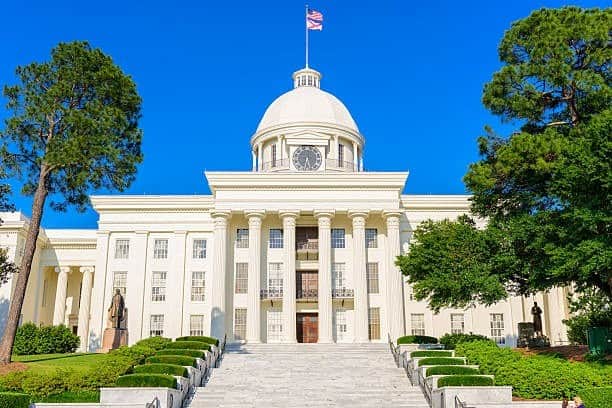
Alabama's outdoor recreation economy generates $14 billion yearly, supporting 130,000 jobs and vast public lands like the 1.6 million acres managed by the Department of Conservation and Natural Resources (DCNR). Feral hogs remain a top concern, with year-round hunting allowed daytime and special nighttime seasons on private lands requiring a $18 resident license. Below, we highlight key legislation moving through the session as of mid-February 2026.
HB 414: Easing Feral Swine Transport Restrictions
Introduced on February 10, 2026, House Bill 414 targets barriers in managing feral swine populations. It deletes the criminal penalty for transporting live feral swine and prohibits the DCNR from restricting such transport under certain conditions. This bill aims to facilitate control efforts by allowing easier relocation or processing of captured hogs, addressing the invasive species' widespread damage to crops, forests, and native wildlife.
Currently pending in the House Judiciary Committee, HB 414 builds on Alabama's existing framework for feral swine management, including bait privilege licenses and nighttime hunting permits. For hunters, this could mean more efficient ways to tackle hogs year-round, aligning with DCNR's emphasis on eradication. Hunter Nation views this bill as reducing government red tape while promoting responsible hunting.
HB 271: Lifetime Hunting and Fishing Licenses for Disabled Residents
House Bill 271 establishes lifetime hunting and fishing licenses for Alabama residents with disabilities. This would provide permanent access at a one-time fee, removing the annual renewal hassle for those who qualify through existing disability criteria.
The bill has passed the House and is progressing through Senate committees and reflects a bipartisan push to make the outdoors more inclusive. With Alabama's strong tradition of adaptive hunting programs, this legislation ensures disabled veterans and others can continue contributing to conservation funding. It's a win for accessibility, especially given the state's mandatory hunter education requirements for those under 65.
HB 181: Utilizing Dredge Material for Wildlife Habitat
Approved by the legislature and signed by Governor Kay Ivey on February 10, 2026, House Bill 181, requires that at least 70% of dredged material from coastal projects exceeding 1 million cubic yards annually be used for beneficial purposes like fish and wildlife habitat development, recreation, and commercial activities.
This bill directly supports conservation by repurposing materials to enhance wetlands and coastal areas critical for waterfowl, fish, and shorebirds. It's a practical step toward restoring habitats impacted by erosion and development, benefiting anglers and hunters in regions like Mobile Bay.
HB 38: Establishing the Alabama Seagrass Restoration Taskforce
House Bill 38 creates a taskforce to address the decline of seagrass beds in coastal waters, vital for marine life and water quality. The group would develop strategies for remediation and protection, drawing on input from DCNR, environmental groups, and stakeholders.
As of February 12, 2026, this bill has passed the legislature and is on its way to Governor Kay Ivey’s desk for her signature. It underscores the session's conservation focus. Seagrass beds support species like redfish and crabs, enhancing fishing opportunities and ecosystem health.
HB 277: Expanding Oyster Aquaculture Opportunities
House Bill 277 allows oyster aquaculture license holders to shuck, harvest, and serve oysters on-site for tasting. This promotes sustainable aquaculture while providing economic boosts to coastal communities.
As of February 12, 2026, HB 277 passed the House and was placed on the Senate’s calendar for a potential vote. It complements broader fisheries management, including baiting privileges for feral swine and deer on private lands.
Additional Conservation Efforts and Monitoring
On the regulatory front, DCNR's updated rules for 2025-2026 include expanded nighttime hunting for coyotes and feral swine, with no bag limits and specific gear restrictions to maintain fair chase.
In summary, the 2026 Alabama session is advancing practical reforms that support hunters in controlling invasives, improve access for all, and invest in habitats. From feral swine management to coastal restoration, these efforts ensure Alabama's outdoors remain abundant for future generations. Hunter Nation urges you to stay informed and involved—contact your legislators via the Alabama Legislature website.
Ready to make a difference?
Join Hunter Nation today as a member to amplify your voice in protecting hunting rights and conservation nationwide. Visit hunternation.us/alabama to sign up and stand with us!