

A Win for Hunters: The 2025 Federal Public Lands Sale That Hunter Nation Shut Down
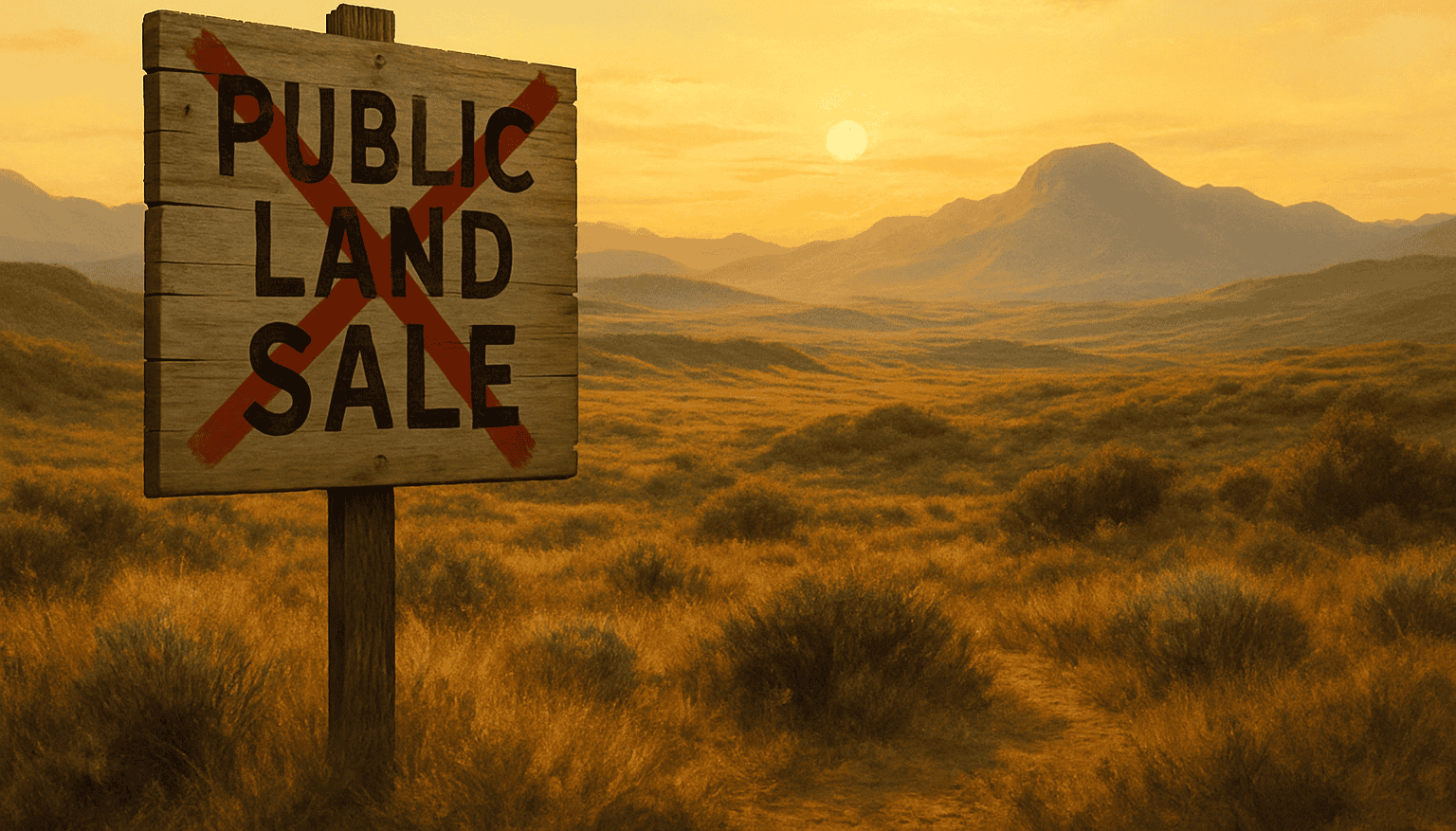
In June 2025, millions of acres of public land in the American West were one step away from the auction block. Buried inside a massive federal package nicknamed the “One Big, Beautiful Bill Act” was a little-known amendment that would have forced the sale of up to 3 million acres of federal land. Hunters, led by Hunter Nation, made sure the country paid attention.
From posts on X and podcasts to direct meetings in Washington, D.C., Hunter Nation helped turn a quiet provision into a national fight. Utah Senator Mike Lee—the architect of the land-sale language—soon found himself responding directly to hunters on X and revising his proposal in public view. The episode showed that when hunters organize, pay attention, and speak up, they can stop bad ideas in Washington before they ever become law.
The bill that put public land on the line
The story starts with the “One Big, Beautiful Bill Act,” a sweeping megabill framed as a win for housing, energy, and infrastructure. Tucked into its hundreds of pages was a mandate to dispose of up to 3 million acres of federal land near communities across the West—ground that hunters, anglers, veterans, and rural families have used for generations.
A key component of Senator Lee’s proposal involved the disposal of federal lands managed by the Bureau of Land Management (BLM) and the U.S. Forest Service. Parcels near national parks and heavily hunted country were suddenly in play. For average hunters, this was not an abstract budget line. It was the place they take their kids on opening morning, the ridgeline they hike every fall, and the access gate that has always been open.
That changed when Hunter Nation began a focused campaign to draw attention to what was at stake for hunters and public lands.
Hunter Nation sounds the alarm
Drawing on its national grassroots network and a roster of well-known hunting voices, Hunter Nation launched a rapid effort to sound the alarm. The organization’s team and allies began posting on X and Facebook that made the stakes clear: this bill would let Washington sell off the ground hunters rely on.
Those posts gave hunters simple talking points they could repeat in their own circles: public land is the great equalizer, the bill put that at risk, and once public ground is gone, it almost never comes back.
At the same time, Hunter Nation founder Keith Mark and other leaders took the fight offline. They traveled to Washington, D.C., to meet face-to-face with Senator Lee and other lawmakers, making the case that selling off millions of acres of public land would break faith with the very people who use and care for that land the most.
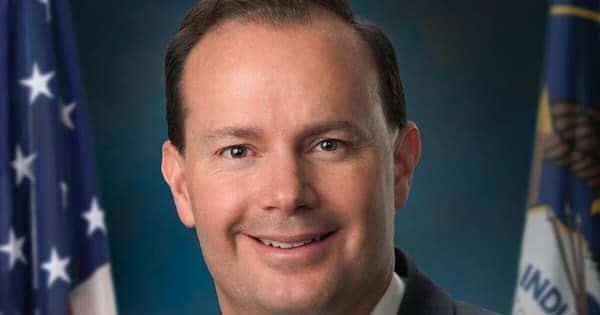
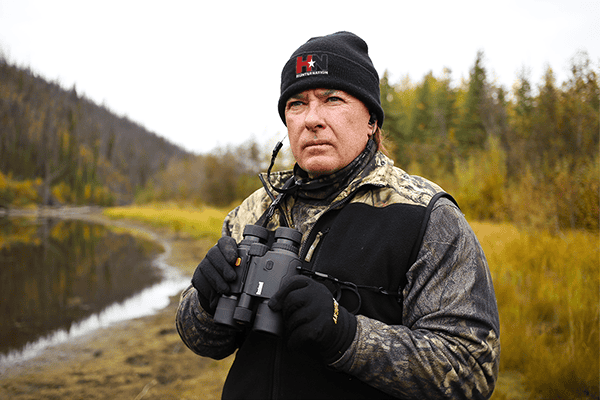
In one key Tuesday-morning meeting, observers noted that Senator Lee “filled a couple of pages of notes” while Keith Mark walked through hunters’ concerns. It was a simple visual detail, but it showed that hunters weren’t just shouting into the void—their message was being taken seriously.
The tweet that changed the conversation
The turning point came when Senator Mike Lee posted a short but important message on X on June 23, addressing Hunter Nation by name and promising to make changes to the bill.
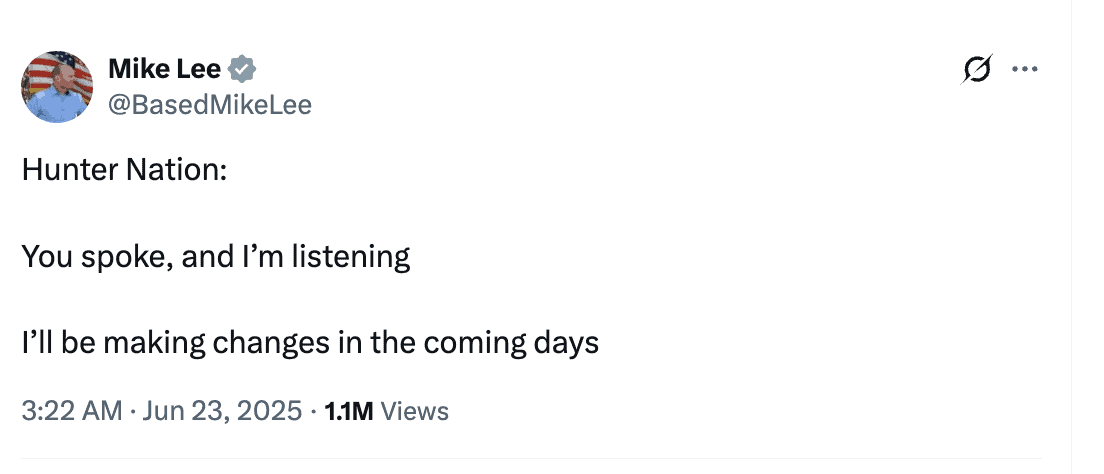
In one sentence, he acknowledged both the intensity of the opposition and the specific role that Hunter Nation and its members were playing in driving it.
News outlets quickly picked up on the shift. Coverage in places like KUNC and MeatEater noted that Lee was revising his proposal in response to hunter backlash, scaling back the amount of land that could be sold and pledging not to include Forest Service lands in the sale.
Hunters stay in the fight
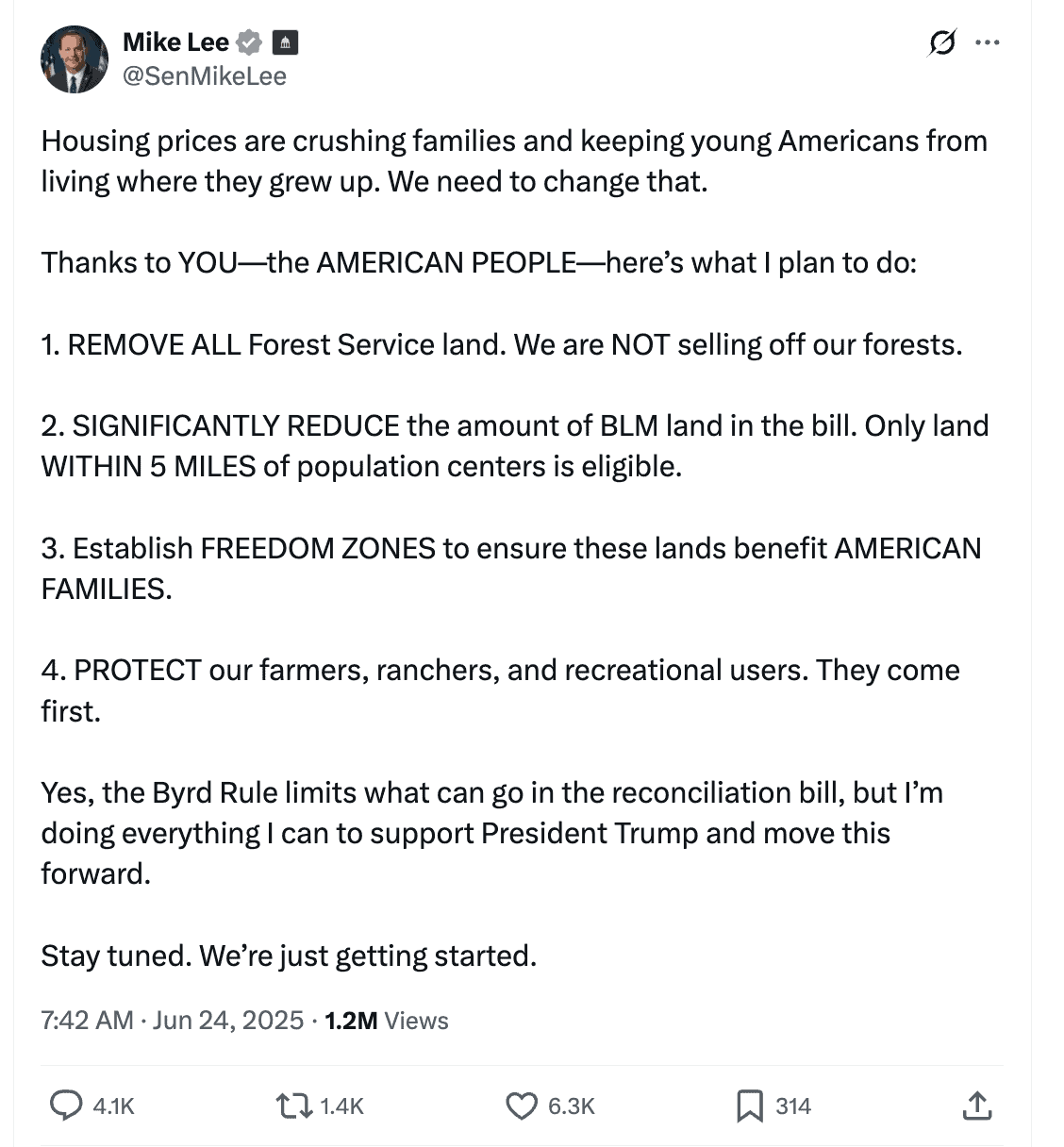
The next morning, Senator Lee followed up with another post laying out four changes he said he would make. He pledged to remove all Forest Service land from the bill, drastically reduce the amount of BLM land eligible for sale, limit sales to parcels within five miles of population centers, and emphasize “FREEDOM ZONES” aimed at American families.
Even after those promises, hunters and conservation-minded groups warned that any forced land sale on that scale would be a permanent blow to access. Once public land is sold to private owners, the gate almost never swings back open.
And Senator Lee was still pushing hard. As Politico Pro reported in “Lee keeps up land sales push in updated megabill text", his revised language continued to rely on public land disposals to make the numbers work. The fight was far from over.
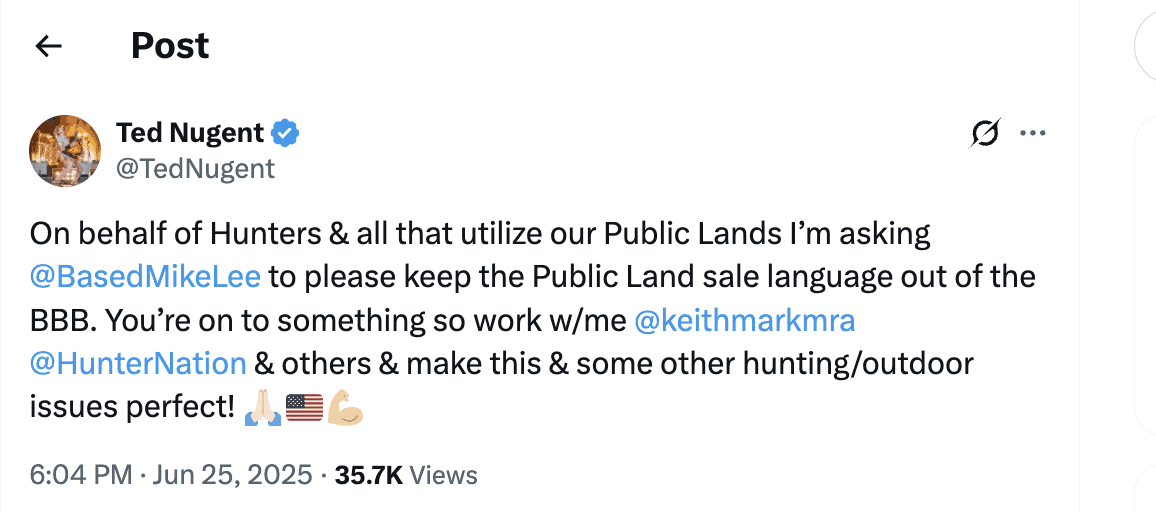
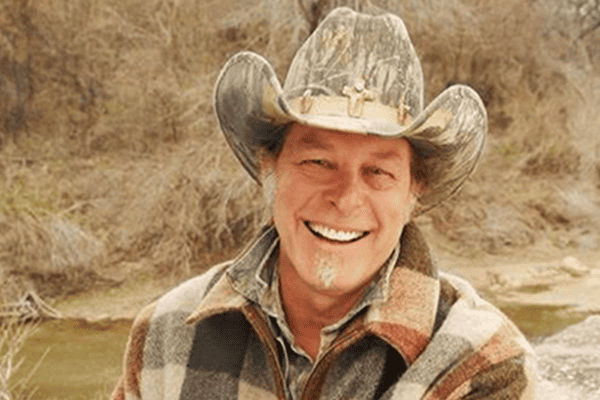
Hunter Nation stayed in the fight. Board members and allies—including Ted Nugent and Donald Trump Jr.—used their platforms to show what was at stake and press lawmakers to scrap the land-sale language entirely, not just trim it. In one key example, Nugent publicly urged Senator Lee on X to keep public-land sale language out of the bill and work with Hunter Nation’s leadership instead.

Behind the scenes, hunters reinforced that message in more meetings and calls on Capitol Hill, emphasizing that this was not just a technical policy dispute—it was about the future of America’s hunting heritage.
A major win for public lands
By the end of June, Hunter Nation was able to share the news hunters had been working for. In an official statement, the organization praised Senator Lee for withdrawing the public land disposal language from the One Big, Beautiful Bill Act. The land-sale mandate was out, and for millions of acres of public land, the auctioneer’s bell never rang. Hunter Nation Chairman Rock Bordelon summed it up simply: “This was never about politics. When access was threatened, we stood firm—not out of partisanship, but out of principle.”
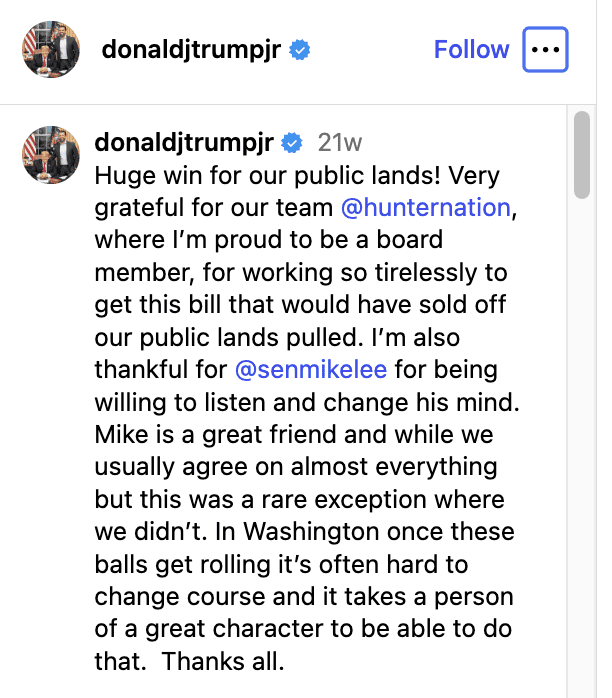
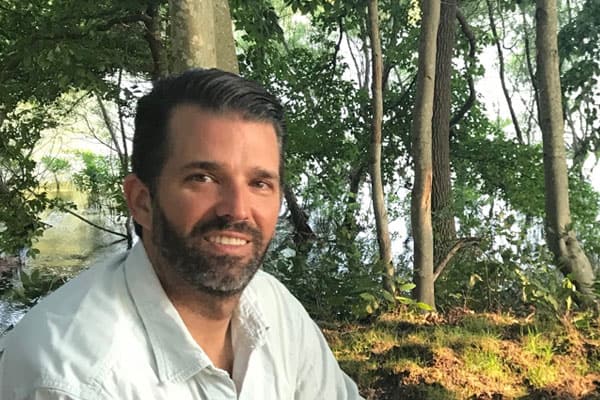
That same message was echoed by Hunter Nation board member Donald Trump Jr., who praised both Hunter Nation’s efforts and Senator Lee’s willingness to listen and change course in a public post.
Additional coverage confirmed the outcome: the land-sale proposal was removed from the Senate’s budget bill, and the path that would have allowed such a large-scale sell-off was closed—at least for now. It was more than a procedural tweak. It proved that a focused campaign by hunters, using modern tools and old-fashioned advocacy, could change the course of a major federal bill in a matter of days.
Why this fight matters to every hunter
The June 2025 land-sale fight matters even if you never hunt in Utah or the Mountain West.
First, it proved that public land is the great equalizer. Working families, young hunters, and veterans rely on national forests, BLM ground, and other public acres to get into the field. Selling those acres pushes regular people out.
Second, it showed that digital tools are now central to conservation. Hunter Nation didn’t just send a letter and hope for the best—it used X, Facebook, and its Right On The Mark podcast alongside direct outreach in D.C. to keep hunters engaged and the issue in front of decision-makers.
Finally, it reminded lawmakers that hunters are paying attention. When a U.S. senator publicly acknowledges Hunter Nation by name, fills pages of notes in a meeting, and ultimately pulls a signature proposal, it sends a message far beyond one bill: don’t take hunters—or their public land—for granted.
The land-sale language is gone from the One Big, Beautiful Bill Act, but the fight over public lands is far from over. As Washington debates budgets, energy, and housing, some will keep treating public ground as a line item instead of a legacy. Hunter Nation’s June 2025 win shows hunters don’t have to accept that. When they get organized, speak clearly, and stand together, they can keep public lands in public hands and protect the places where America’s hunting traditions are passed on.